
Fotografia
Cos'è la fotografia in bianco e nero e perché è importante
Scopri come le immagini in bianco e nero affinano la composizione, amplificano le emozioni e valorizzano gli scatti realizzati con iPhone e Android
&w=96&q=75)
Fotografia
Scopri come le immagini in bianco e nero affinano la composizione, amplificano le emozioni e valorizzano gli scatti realizzati con iPhone e Android
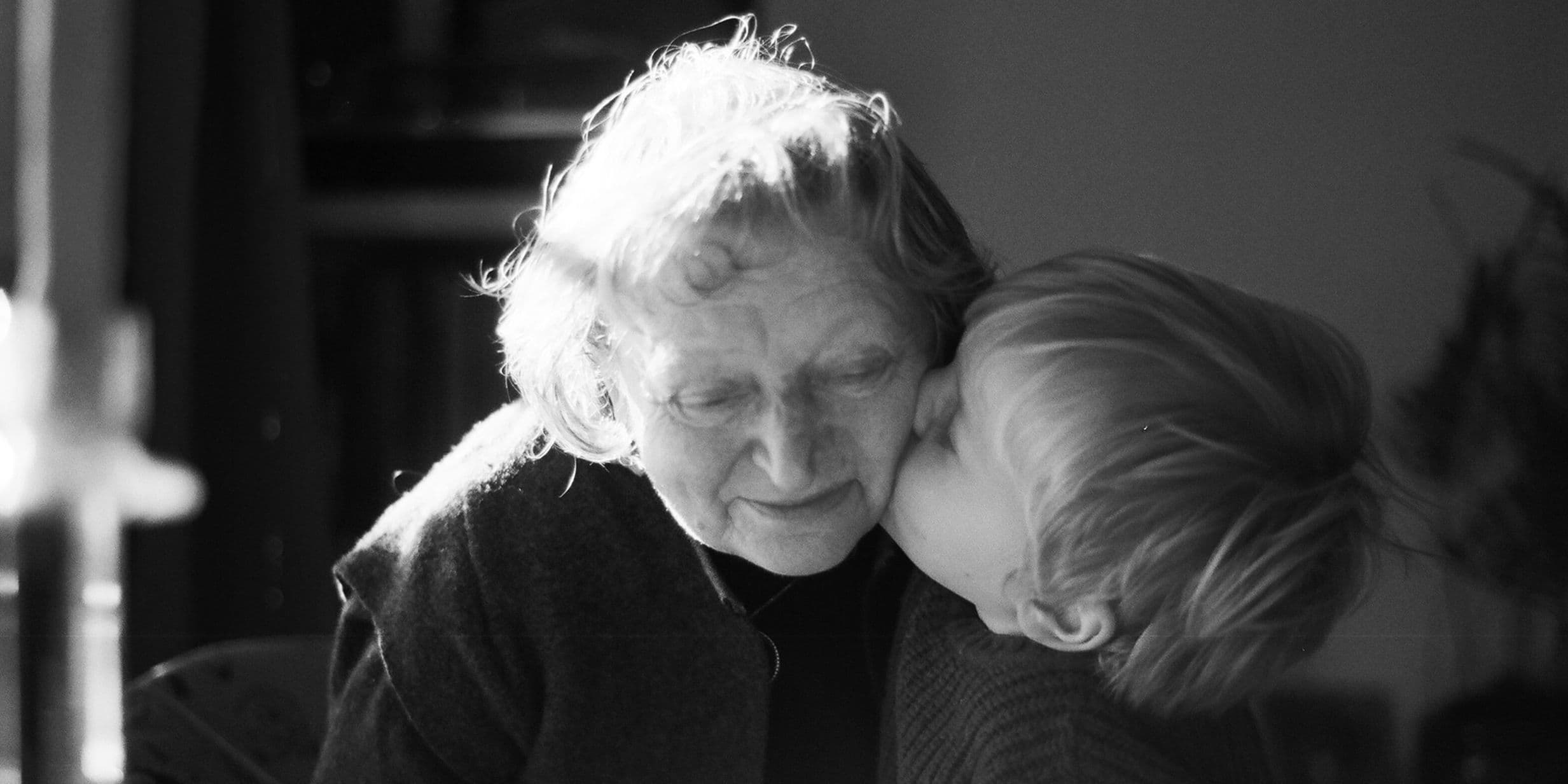
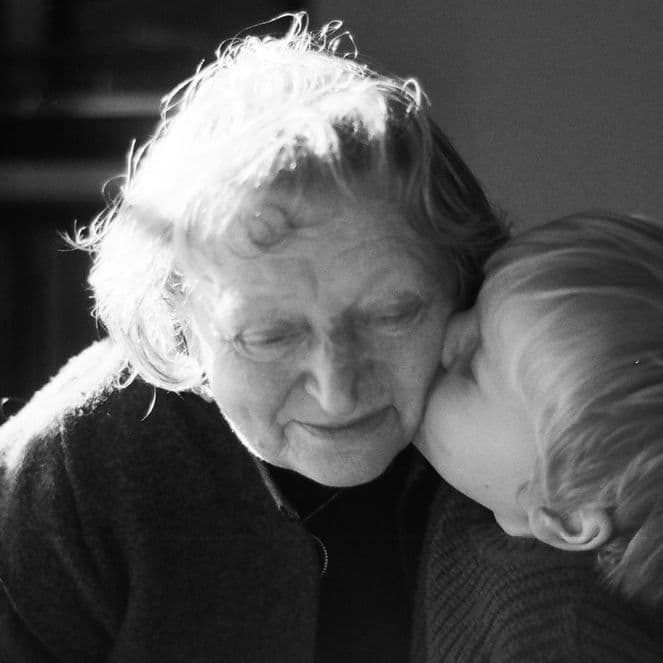
Black and white photography has a timeless, classic appeal. Stripped of colour, these images often feel more emotional and evocative, capturing moments with added depth and poignancy. It’s no wonder many people choose black and white for their wedding photos or meaningful portraits.
If you’ve ever wondered how to take B&W photos on your iPhone or Android, read on. But first, here’s a quick primer on this enduring style brought to you by Dan Mold – a prize-winning photographer and author with over 13 years of photojournalism experience. Dan is also a former Adobe-certified Photoshop guru, so you know his tips are worth trusting when it comes to getting the most out of your images.
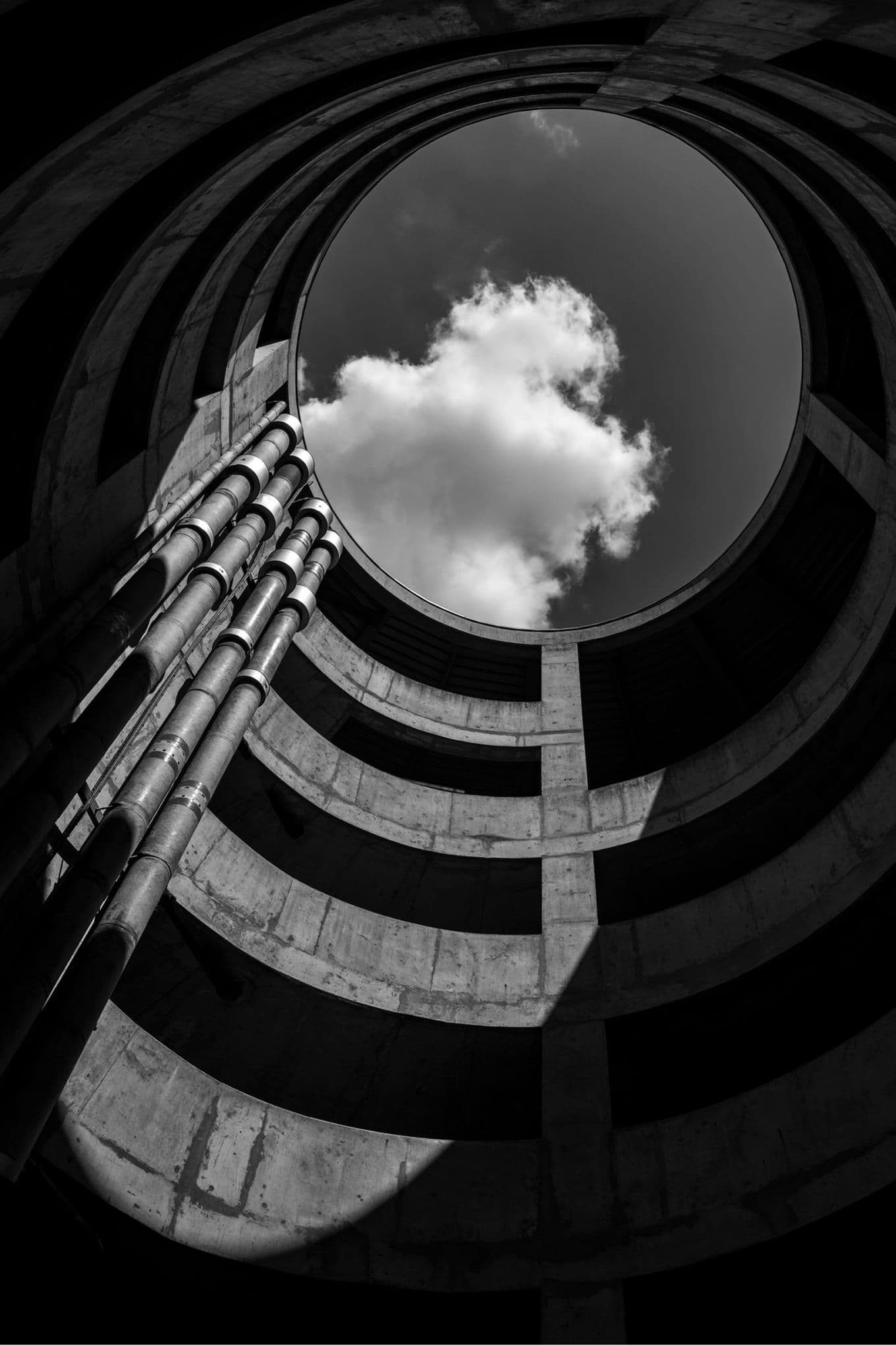
La fotografia in bianco e nero aggiunge profondità e intensità anche alle scene più quotidiane
It’s incredible to think that 2026 marks 200 years since the first known black and white photograph was taken by Joseph Nicéphore Niépce in 1826. Two centuries on, the world of photography has transformed entirely – from the invention of colour photography in 1861 to the rise of high-tech digital cameras that now fit neatly in our pockets. While today’s photography looks worlds apart from its bulky, time-consuming beginnings, the appeal of black and white remains strong. Shooting in monochrome still gives images a timeless, classic quality that works beautifully across a wide range of photographic styles.
Black and white photography is brilliant for simplifying a scene and embracing a more minimalist approach. Without the distraction of colour – which can sometimes draw the viewer’s eye away from the main subject – you’re able to create cleaner, more focused compositions. Stripping away colour also encourages you to focus on the essentials: form, framing, subject matter, shape and contrast. It’s a particularly effective style for photo book projects, as using a consistent monochrome aesthetic helps unify the images and gives the series a cohesive visual identity.

La vista dalla finestra di Joseph Nicéphore Niépce a Le Gras, c.1826–27
When shooting B&W photography with either your iPhone or Android smartphone, some key principles apply regardless of the manufacturer. Any smartphone worth its salt will have the ability to apply a mono preview, so you can see your scene devoid of colour on your smartphone’s display. This might be called Mono, Silvertone, Noir on iOS devices; or Monochrome, Black & White, Greyscale on Android.
There are two schools of thought when it comes to using black and white presets. Shooting in full colour gives you greater control over tones during editing – especially if your phone supports the RAW file format. RAW retains all colour data, which can be invaluable when using apps like Lightroom Mobile, allowing you to adjust individual colour channels while processing your B&W photo.
That said, it’s often more practical to shoot with a black and white filter enabled, as it helps you to compose the image without the distraction of colour, letting you focus on elements like light, contrast, shape and form. Just keep in mind that if your phone only allows you to shoot in compressed formats like JPEG or HEIF with the mono filter applied, you’ll lose all that valuable colour data. You won’t be able to revert to a colour version later, so if possible, shoot in RAW or take two shots back-to-back – one in colour, one in black and white.
It’s also worth noting that on some smartphones, shooting with an image filter enabled means the resolution, and therefore the quality, is lower. On my Samsung Galaxy S23 it was reduced dramatically from its maximum 50MP resolution to just 12MP with the B&W filter applied. Though 12MP is still more than large enough to share on social media to be viewed on small phone screens, it is worth keeping in mind, depending on where you want to publish your photos and how large they’ll be displayed.

I telefoni Android e iOS consentono di scattare direttamente in bianco e nero o di applicare filtri monocromatici alle foto a colori
Old film photos used to have a graininess to them, which was directly correlated to its ISO value, sometimes called ASA value back in the film days. The ISO, which stands for International Standards Organization, is a universal standard used to measure the ‘speed’ of the film used in old cameras like an SLR. A faster film with a higher ISO of ISO800, for example, would be much more sensitive to light than an ISO50 film – but the trade-off is higher levels of grain, which gives pictures a grittier look with less detail (often called ‘digital noise’).
On modern digital cameras and smartphones, we can change the ISO speed to enable faster or slower shutter speeds – all via your camera screen without ever having to change out a roll of film. However, the principle is much the same: the higher the ISO, the more sensitive to light the sensor is – but the image quality will still be compromised and there will be more digital noise.
Because of their smaller sensors, smartphones have to pack megapixels very closely together, which makes them more prone to digital noise. However, with every generation, smartphone cameras are getting better at reducing this now thanks to more competent AI.
However, there’s no need to worry about digital noise too much, especially when shooting in black and white, where it can actually add a retro filmic quality. In fact, apps like FIMO Analog Camera, LoFi Cam: Film Digital Camera, and Vintify: Vintage Photo Editor are designed to help you achieve the perfect amount of grain in your photos for a nostalgic look.
To master black and white photography, follow our guides for iPhone and Android.

Più luce aumenta il rumore, dando alle foto un look più vintage

Meno luce riduce il rumore e regala allo scatto un aspetto più pulito e definito
&w=96&q=75)

&w=96&q=75)

&w=96&q=75)


 Stati Uniti